
The History of Cigar Boxes
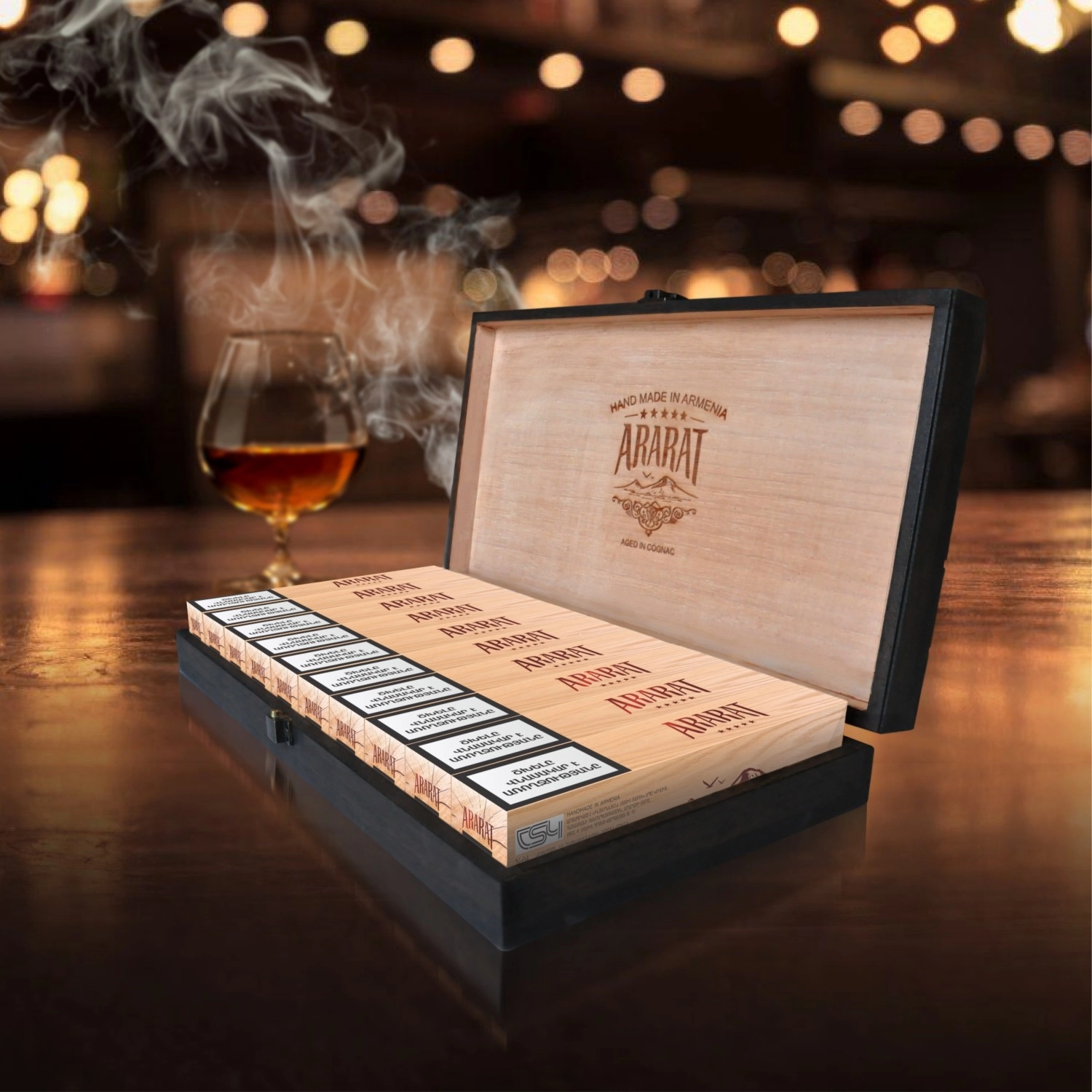
The design solutions of cigar boxes reflect the traditions and history embedded within them.
The birthplace of cigar boxes – Cuba
Cuba is one of the world’s most renowned tobacco-producing countries, distinguished particularly for its craftsmanship in premium cigar production. In the early 19th century, the first cigar boxes were developed there, made from cedar wood.
Cedar cigar boxes
Cedar wood is highly valued for its natural aroma and its ability to maintain stable humidity levels. These qualities help preserve the quality of cigars and maintain their flavor characteristics, making cedar one of the most suitable materials for cigar box production. In addition, the essential oils naturally present in cedar have insect-repellent properties, providing extra protection during storage.
At the same time, although cedar remains widely used, some manufacturers prefer Gabon wood (okoume), which is relatively more affordable and economically efficient.
What gives a cigar box its value?
For true cigar enthusiasts, the greatest value lies in the cigars themselves. So why is the box so important?
The label as a key element of identity
One of the essential components of a cigar box is its label. It is not limited to indicating the brand or type of tobacco; labels often reflect cultural, historical, or conceptual foundations.
This tragic story reached Cuban cigar factories through “readers” who sat in front of the torcedores (cigar rollers) and read literary classics or newspapers aloud during working hours. The story of Romeo and Juliet inspired such enthusiasm that cigar rollers named the new brand in honor of that love story.
A cigar box is not merely packaging; it is a tool for product preservation, a carrier of brand identity, and a means of expressing historical and cultural layers.
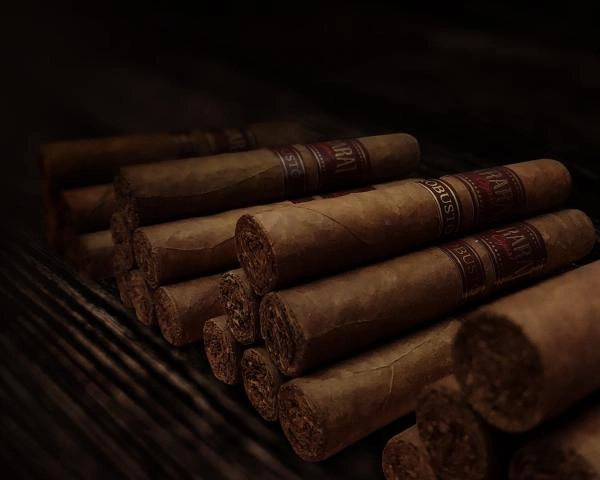
Discovering cigars is about more than simply lighting up - it’s about slowing down, learning the ritual, and appreciating the craft behind every cigar.
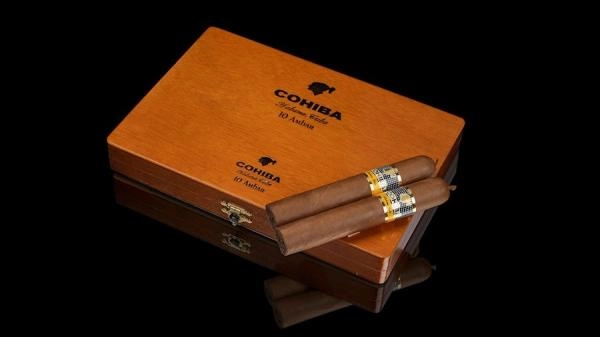
The word Cohiba (koh-HEE-bah) is pronounced easily and smoothly, with an almost musical sound. The name comes from the Taíno language and means "tobacco."
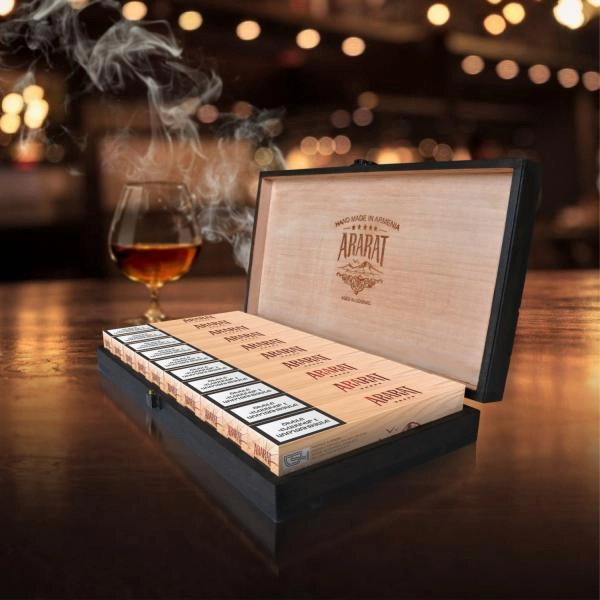
The design solutions of cigar boxes reflect the traditions and history embedded within them.